Birth Plan Options for Labor and Delivery for Moms at Intermountain Health
Angela Anderson is a certified nurse-midwife and lead for Intermountain nurse-midwives and attends births at
Press Release Disclaimer: This is a press release distributed through the XPR Media network. It has not been independently verified by our newsroom.

Angela Anderson is a certified nurse-midwife and lead for Intermountain nurse-midwives and attends births at Intermountain Medical Center and LDS Hospital.
SALT LAKE CITY, UT (PRUnderground) September 18th, 2026
Pregnant mothers have a variety of options at Intermountain Health hospitals when it comes to prenatal visits, labor and delivery, and postpartum care. Pregnant patients can opt to see a certified nurse midwife, an OB-GYN, or they may see a maternal fetal medicine specialist if their pregnancy is high risk.
At Intermountain Health, certified nurse-midwives attend births, provide prenatal and postpartum care, provide women’s health checkups, and care for gynecology and menopause-related concerns.
“We provide a team-based approach. If women are looking for an unmedicated or low-intervention birth experience, the midwifery model of care may be a good choice for them,” said Angela Anderson, a certified nurse midwife and lead for Intermountain nurse-midwives, who attends births at Intermountain Medical Center and LDS Hospital in the Salt Lake City area.
“However, OB-GYNs can also care for these women during pregnancy and birth. Certified nurse-midwives work in collaboration with physicians so that if a Cesarean is required an OB-GYN or maternal fetal medicine physician will provide that surgical care,” she added.
Pregnant patients may have varying preferences about the environment and care surrounding their baby’s birth. Intermountain has a Patient’s Choice Birth Plan for expectant parents to fill out their birth plan options such as if they prefer a non-medicated or low-intervention childbirth, or if they prefer various pain relief options such as nitrous oxide or an epidural. Patients can also specify their desires for their birth experience to aid in their comfort during labor and birth.
“Thinking about your preferences for your birth experience is important so that you can educate and prepare yourself for your birth. Our top tier goals are a healthy mom and healthy baby. Most of the time we can achieve those goals by way of a vaginal birth, but if an unexpected complication does occur, it is useful to think about how you want to approach that event as well,” said Anderson.
“If you are choosing to give birth in an out-of-hospital setting, at home or in a birth center, it is important to have a plan for smooth and rapid transfer into the hospital if something occurs that would necessitate a higher level of care for either you or baby. Be sure to discuss this with the birth center team or your community midwife.”
Intermountain Health recognizes the need for birth centers and currently operates a birth center in Denver, Colorado and will soon be opening a birth center on the Intermountain Spanish Fork Hospital campus in Utah County.
Many Intermountain hospitals also offer the Simply Birth program which providers low-intervention options in the safety net of the hospital setting. There are also the options of nitrous oxide for pain during labor and water birth for low-risk women in labor at several hospitals.
All Intermountain hospitals offer moms the opportunity to indicate birth plan options. The Patient’s Choice Birth Plan for Intermountain patients, enables parents to identify preferences in the following areas:
-
– Comfort and relaxation, measures – breathing techniques, tub, shower, massage, cold packs, music, aromatherapy, hypnosis for birth techniques, etc.
– Visitors and environment during labor, birth and postpartum – visitors, children, still photography, medical students or residents in training.
– Hydration options – ice chips, popsicles, slushies, clear liquids, IV fluids.
– Labor positions to support physiologic birth – semi-sit, squat bar, birth ball, bedside chair, etc.
– Monitoring of baby and contractions – intermittent, cordless, continuous.
– Stimulation of labor – breaking of water, or Pitocin to assist labor.
– Pain-relief options during labor, delivery or postpartum care – non-narcotic, IV medications, nitrous oxide, epidural, etc.
– Pushing preferences – rest and descend, breathe baby down, use of mirror etc.
Cord cutting – partner may perform it if desired and as clinical condition allows.
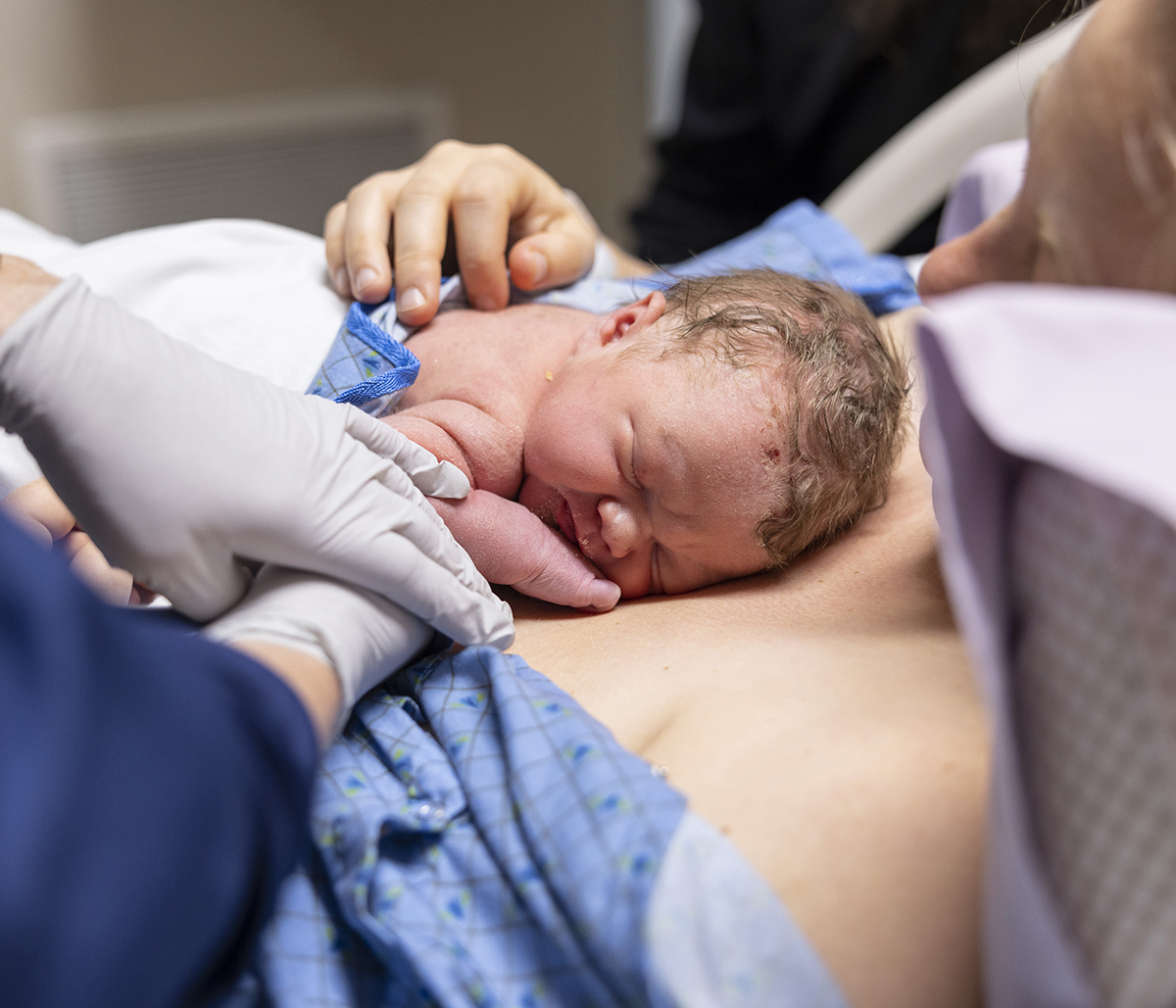
– Early skin to skin contact with baby as soon as it’s medically safe
– Newborn procedures, screenings and circumcision – where performed and who is present.
– Feeding the baby – breastfeeding, lactation consultant, pumping, formula feeding.
– Length of hospital stay within medical safety guidelines
Women can talk to their healthcare provider about their upcoming birth experience and call their local hospital or visit their website for a virtual or in-person labor and delivery tour. For more information about birth plans and childbirth education classes that are offered in-person or online visit the pregnancy and baby page at intermountainhealth.org